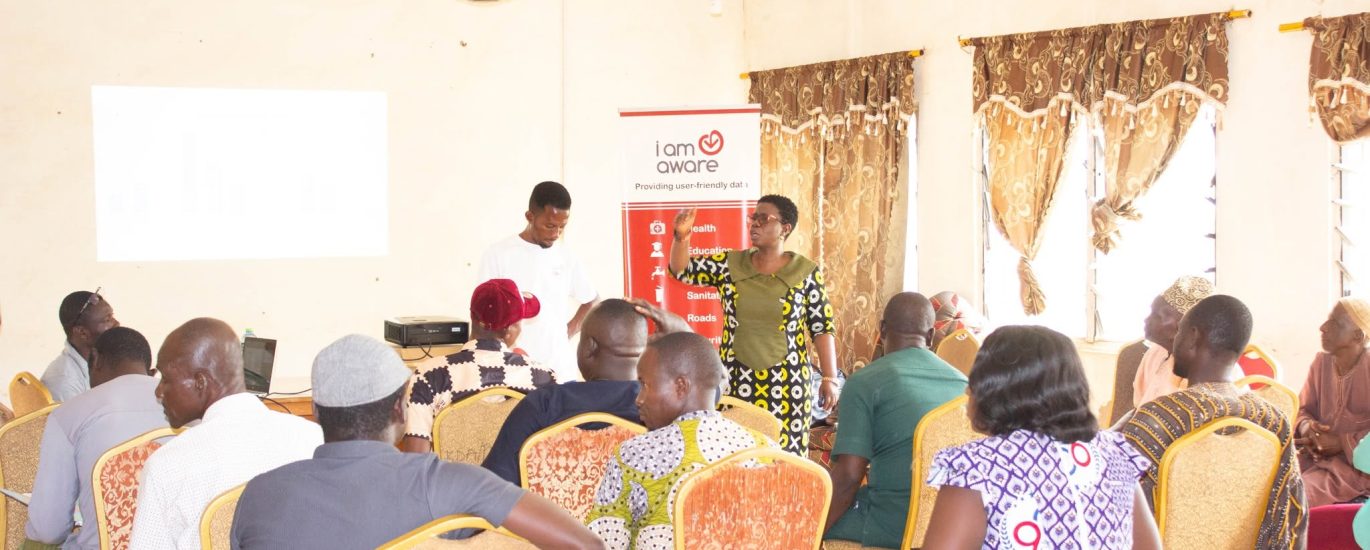
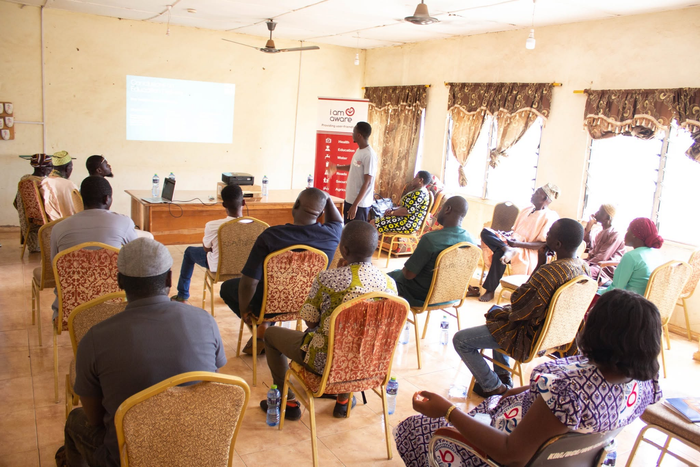
At a dissemination dialogue in Karaga, education stakeholders, religious leaders, local authorities and community actors reflected on findings from the Social Action Groups (SAGs) School Monitoring Report. The discussions highlighted teacher absenteeism, gaps in school governance, low enrolment among girls in remote communities and the need for stronger supervision and community participation. A subsequent Citizens’ Satisfaction Survey added a broader perspective on education service delivery, reinforcing the importance of turning community evidence into action.
Improving education requires more than identifying challenges within schools. It also requires creating opportunities for communities, education authorities and local institutions to examine the evidence, discuss their experiences and agree on priorities for improvement.
In Karaga, Simba Ghana, through the I Am Aware (IAA) Project, supported community-based monitoring to generate evidence on basic education service delivery. Social Action Group (SAG) members participated in monitoring selected schools, examining teacher attendance, pupil enrolment and the functionality of Parent-Teacher Associations (PTAs) and School Management Committees (SMCs).
The findings provided a practical picture of the challenges affecting schools and the community structures intended to support them. Taking these findings back to stakeholders was an important step in ensuring that the evidence could inform dialogue beyond the monitoring exercise itself.
The SAGs School Monitoring Report, published in October 2025, covered 12 basic schools in the Karaga District. It identified concerns relating to teacher absenteeism, inconsistent school governance practices and unequal enrolment patterns, particularly among girls in smaller and remote communities.
Although all 12 schools reported having PTAs and SMCs, their functionality varied. Some associations and committees held meetings irregularly, maintained limited records or did not meet during the term. These gaps constrained their ability to support school oversight and sustain engagement between schools and communities.
Teacher attendance was another important concern. The report documented absences across the monitored schools and highlighted weaknesses in record-keeping and supervision. It also noted inadequate school infrastructure, teaching and learning materials, and suitable seating in some schools.
These findings pointed to interconnected challenges that required attention from school leadership, education authorities, community structures and other relevant stakeholders.
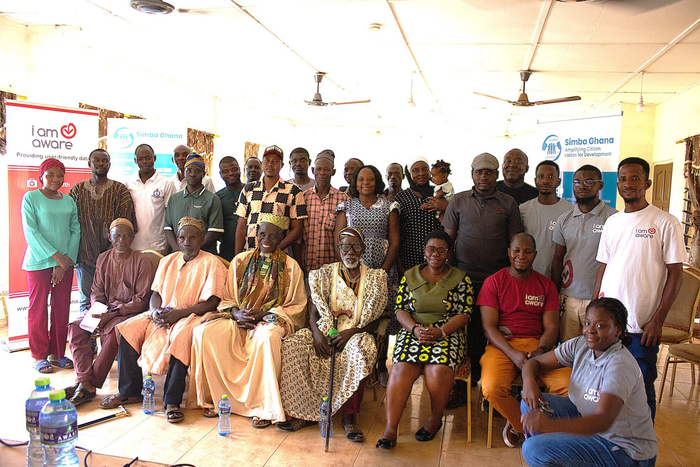
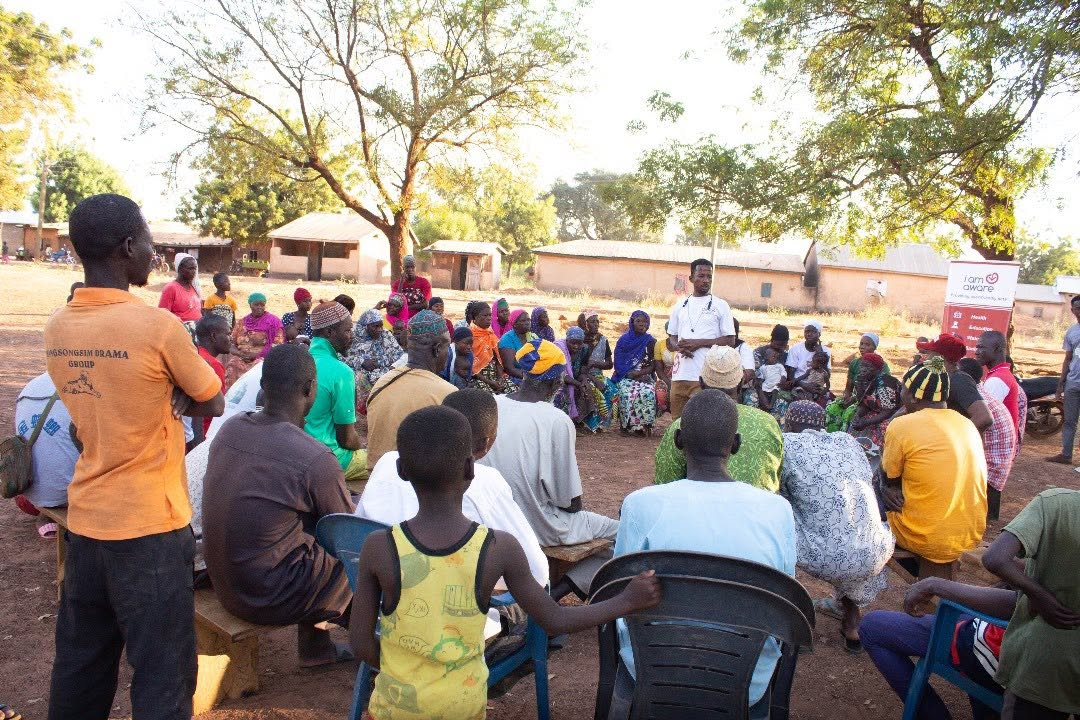
Following the monitoring exercise, Simba Ghana supported a dissemination dialogue that brought together education stakeholders, religious leaders, local authorities and community actors to reflect on the findings and their implications for education in Karaga.
The engagement created space for stakeholders to consider the issues raised, discuss the importance of effective school supervision and recognise the role communities can play in strengthening accountability.
The discussion also highlighted the need to improve the functionality of PTAs and SMCs, encourage greater community participation in school governance and pay closer attention to girls’ access to education in remote communities.
Rather than treating the report as an endpoint, the dialogue provided an opportunity to connect documented challenges with the responsibilities of institutions and the contributions communities can make to addressing them.
The work did not stop with school monitoring. Simba Ghana subsequently produced a Citizens’ Satisfaction Survey Report for Karaga, providing a broader perspective on citizens’ experiences and perceptions of education service delivery.
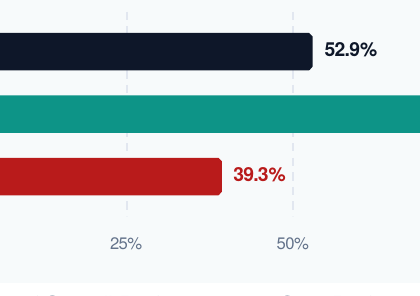
The survey found that 81% of households had children in school, while 79% reported parental involvement. However, 61% of respondents identified school facilities as unsafe or inadequate.
These findings add important context to the earlier monitoring exercise. They indicate that school participation and parental involvement coexist with concerns about the conditions in which children learn. The infrastructure findings also reinforce the need to consider school facilities alongside teacher attendance, governance and enrolment when discussing education quality.
Together, the monitoring report and the satisfaction survey offer complementary forms of evidence: one examines conditions and practices in selected schools, while the other captures household perspectives on public education services.
The reports do not, on their own, establish that the identified problems have been resolved. Their value lies in helping stakeholders understand the challenges more clearly and identify priorities that warrant follow-up.
The next step is to sustain engagement around the findings and encourage practical follow-up by the relevant stakeholders.
Priority areas include strengthening teacher attendance monitoring and supervision, supporting functional PTAs and SMCs, improving school infrastructure and learning conditions, and addressing barriers affecting girls’ enrolment in remote communities.
Continued engagement among citizens, school leadership, education authorities and local government will be important in tracking whether concerns raised through monitoring and surveys receive attention. Future monitoring can also help document progress, identify persistent gaps and provide evidence for further dialogue.
Through the IAA Project, Simba Ghana supports citizens to access and use evidence, engage duty-bearers and contribute to accountability for public service delivery.
The Karaga experience demonstrates why taking findings back to communities matters. When evidence is shared and discussed with the people and institutions closest to the issues, it creates a stronger basis for collective reflection, informed decisions and sustained action towards better education.
The I Am Aware Project is implemented by Simba Ghana with support from CDD-Ghana and funding from the William and Flora Hewlett Foundation.

We respect your privacy. Simba Ghana processes all personal data in line with the Data Protection Act, 2012 (Act 843). Learn more.